
What a camera inspection actually shows
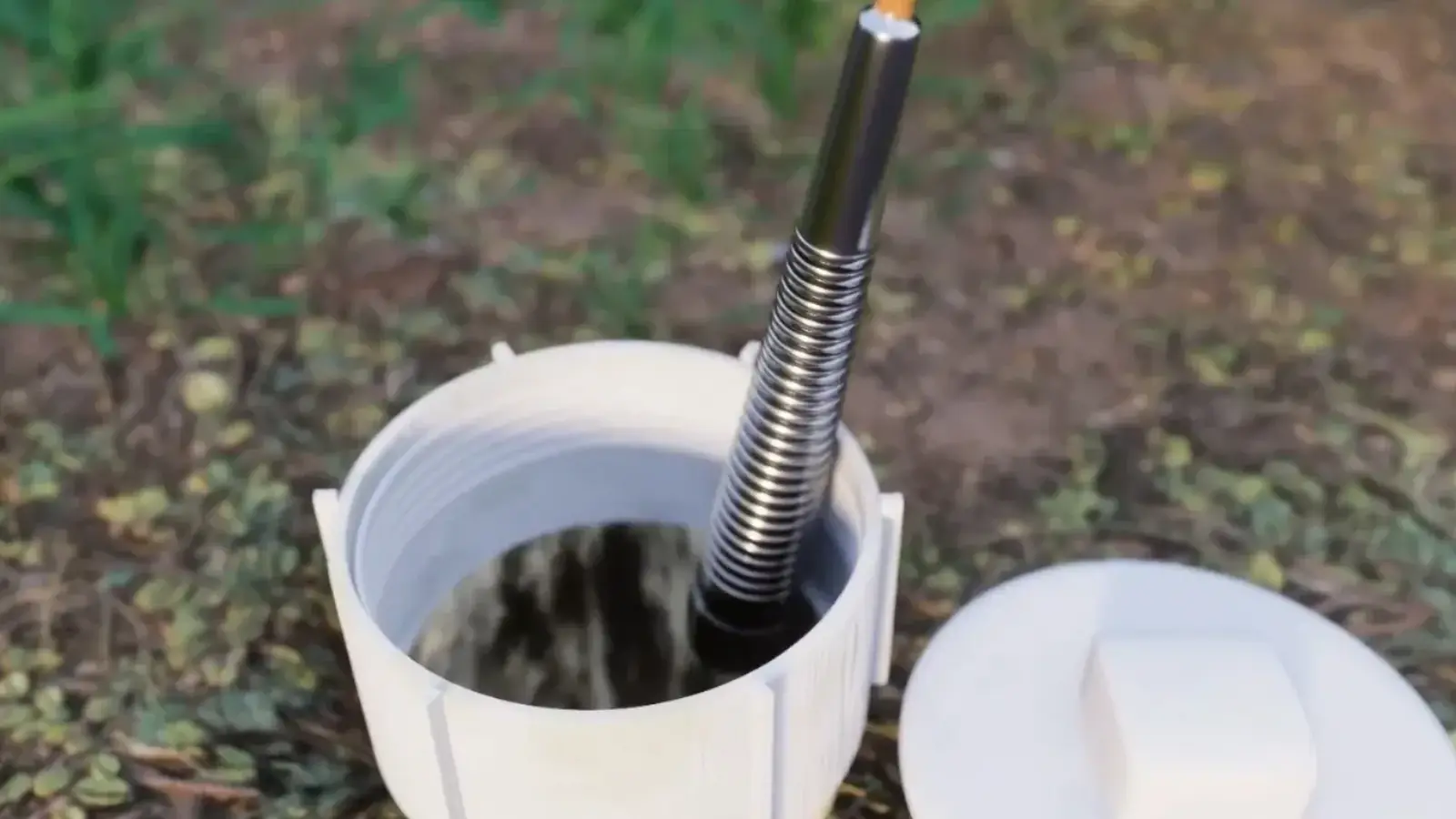
A technician feeds a flexible rod with a camera head through a cleanout or a pulled toilet. The head carries lights and a transmitter, and the video appears on a monitor in real time. We locate the pipe above ground with a receiver so a problem can be marked at the exact spot.
The footage shows pipe material, joint condition, root intrusion, grease buildup, standing water and any sections that have shifted. You leave with a recording and a plain explanation of what each frame means for your decision.
Why older Lynwood homes benefit
Census estimates put about 47 percent of Lynwood housing before 1950, with a median build year near 1951. Laterals that old were laid when clay and cast iron were normal, and they have had seven decades to crack, corrode and collect roots. A quick visual check is far cheaper than finding out after closing.
About 61 percent of Lynwood housing units are single-family detached homes, according to Census estimates, and each one has its own lateral to the street. The camera is the only way to see a buried pipe without digging.
When a camera inspection makes sense
- Before you buy a home that is more than 30 years old.
- After a backup that returned within months of cleaning.
- Before a remodel that will add fixtures to the existing line.
- When you suspect roots near a tree or a driveway.
- To confirm that a past repair was done correctly.
- When an adjuster or landlord asks for proof of pipe condition.
How the inspection runs
We choose the access point first. A cleanout is ideal, and when none exists we pull a toilet or use a roof vent in some cases. The camera travels to the main in the street, pausing wherever the pipe changes.
If debris blocks the view, we may run a cable or clean the sewer line first so the camera can pass. We note that on the quote before starting so there is no surprise.
| What we see | What it usually means | Typical next step |
|---|---|---|
| Hairline cracks | Age or soil movement | Monitor, or line the section. |
| Roots at a joint | Joint is open | Cut roots, then repair or line the joint. |
| Standing water in a dip | A belly in the pipe | Evaluate length, repair or replace. |
| Offset joint | Soil shift or settling | Spot repair at that joint. |
| Heavy scale or grease | Buildup narrowing the pipe | Hydro jet, then re-inspect. |
A planned visit, not a rush job
Sewer inspection is a standard-title service because most calls are planned. When you book, we ask about the home's age, any backups, and whether a cleanout exists, so the right equipment is on the truck. If your situation turns urgent, our emergency line is always available.
Real estate buyers often ask for a recording they can share with an inspector. We provide the video and a written summary of what the camera found, without making claims beyond what is visible.
Call to schedule a camera inspection. We will confirm access and timing before we arrive.
What affects the price of a sewer camera inspection
You get a clear price before work starts. These items matter most.
An inspection is not a repair, and it does not by itself change insurance coverage. Want your real number? Call (213) 672-5590.
If the video turns up a recurring blockage, drain cleaning or hydro jetting may be the first fix. Homes just across the line in the 90280 ZIP code are covered on our South Gate page.
Common questions about sewer camera inspection
Typically the entire lateral from the access point to the city main, as long as the pipe is clear enough for the camera to pass. Debris or a collapse can stop the view.
Someone should provide access to the cleanout or a bathroom. For vacant properties we can coordinate with a listing agent or owner.
No. The head is designed for pipe interiors. We stop if resistance suggests a break, and we note that on the report.
Yes. The camera transmits a signal our receiver picks up above ground, so a problem can be marked with paint or flags at the correct spot.
Standard home inspections generally do not include sewer line cameras. It is a separate service, and buyers often add it for homes of this age.
We explain the options. That may be cleaning, jetting, a spot repair, lining or replacement. You are never obligated to approve a repair after an inspection.